The 12 Archetypes, Explained
Carl Jung's 12 archetypes — and how they distill into Lore's 5 cinematic frames. Why most personality apps stop at 12, and why we went further.
What Is an Archetype?
The word archetype comes from the Greek arche (origin) + typos (pattern). It means a first-pattern — a primordial template that shapes how consciousness organizes experience. Carl Jung, the Swiss psychiatrist, used the term to describe the universal patterns of the unconscious: figures, motifs, and dynamics that appear across cultures and historical periods despite no shared origin.
Jung's central insight was that these patterns aren't learned — they're inherited, structurally, as part of being human. The specific stories change (Greek heroes, Norse gods, Bollywood love stories, Marvel cinematic universe), but the underlying archetypes are the same.
The 12 commonly cited archetypes (Innocent, Sage, Explorer, Outlaw, Magician, Hero, Lover, Jester, Everyman, Caregiver, Ruler, Creator) are popularized in Carol S. Pearson's Awakening the Heroes Within (1991), drawing directly from Jung's work. Brand strategists adopted them because they're useful for positioning. But the system is older than marketing and operates at a level deeper than personality.
The 12 Jungian Archetypes
The Innocent
Lore: MuseCore: Trust, optimism, the desire for paradise.
Drive: To be happy.
The Sage
Lore: OracleCore: Wisdom, understanding, the search for truth.
Drive: To use intelligence to understand the world.
The Explorer
Lore: RoninCore: Freedom, autonomy, the pursuit of new horizons.
Drive: To find the boundaries of what's possible.
The Outlaw
Lore: OutlawCore: Revolution, disruption, the refusal to conform.
Drive: To overturn what's not working.
The Magician
Lore: MuseCore: Transformation, vision, the alchemy of will.
Drive: To make dreams reality.
The Hero
Lore: SovereignCore: Courage, mastery, proving worth through difficult action.
Drive: To overcome adversity.
The Lover
Lore: MuseCore: Intimacy, connection, the cultivation of beauty.
Drive: To form deep bonds.
The Jester
Lore: OutlawCore: Play, levity, joy as a form of subversion.
Drive: To live in the moment.
The Everyman
Lore: MuseCore: Belonging, community, the dignity of the ordinary.
Drive: To connect with others as equals.
The Caregiver
Lore: SovereignCore: Service, compassion, protection of the vulnerable.
Drive: To care for others.
The Ruler
Lore: SovereignCore: Control, leadership, the architecture of order.
Drive: To create a successful, prosperous community.
The Creator
Lore: MuseCore: Imagination, originality, bringing the new into being.
Drive: To create something of enduring value.
Why Lore Uses 5 Archetypes Instead of 12
The 12-archetype framework is comprehensive — and that's its problem. For positioning a brand, 12 distinct buckets is useful. For understanding yourself, 12 is too many to actually carry as identity. Most people don't experience themselves as one of twelve cleanly distinct types. They experience themselves as a particular combination of forces that shows up differently in different rooms.
Jung himself acknowledged this. The archetypes never appear in isolation — they overlap, layer, and complement each other. Pearson's framework distinguishes "ego archetypes" from "self archetypes" precisely because the same person operates from different patterns at different developmental phases.
Lore distills the 12 into 5 cinematic frames: Sovereign, Ronin, Oracle, Outlaw, Muse. Each frame collects the Jungian archetypes that belong together — that share a fundamental orientation, a similar relationship to power, a similar way of moving through the world. The 5-archetype framework is wider in each category but narrower in count, which makes it actually usable for identification.
Below: how each of Lore's 5 archetypes maps to Jung's 12.
Lore's 5 Archetypes Mapped to Jung's 12
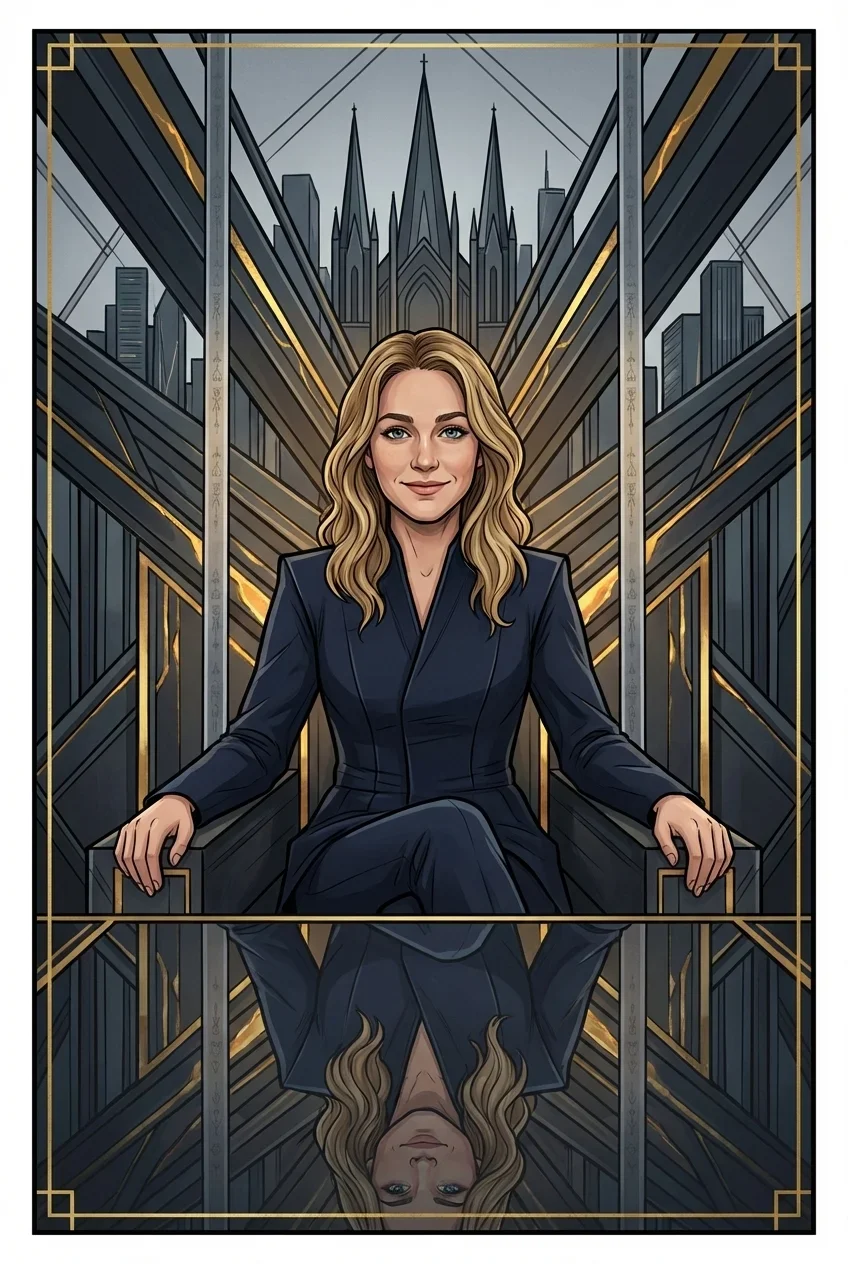
The Sovereign
Architect, ruler, the long view. Control, structure, command. Distills Jung's Hero (mastery through difficult action), Ruler (architecture of order), and Caregiver (protection of the realm) into a single cinematic frame: the mastermind in a quiet room with blueprints.
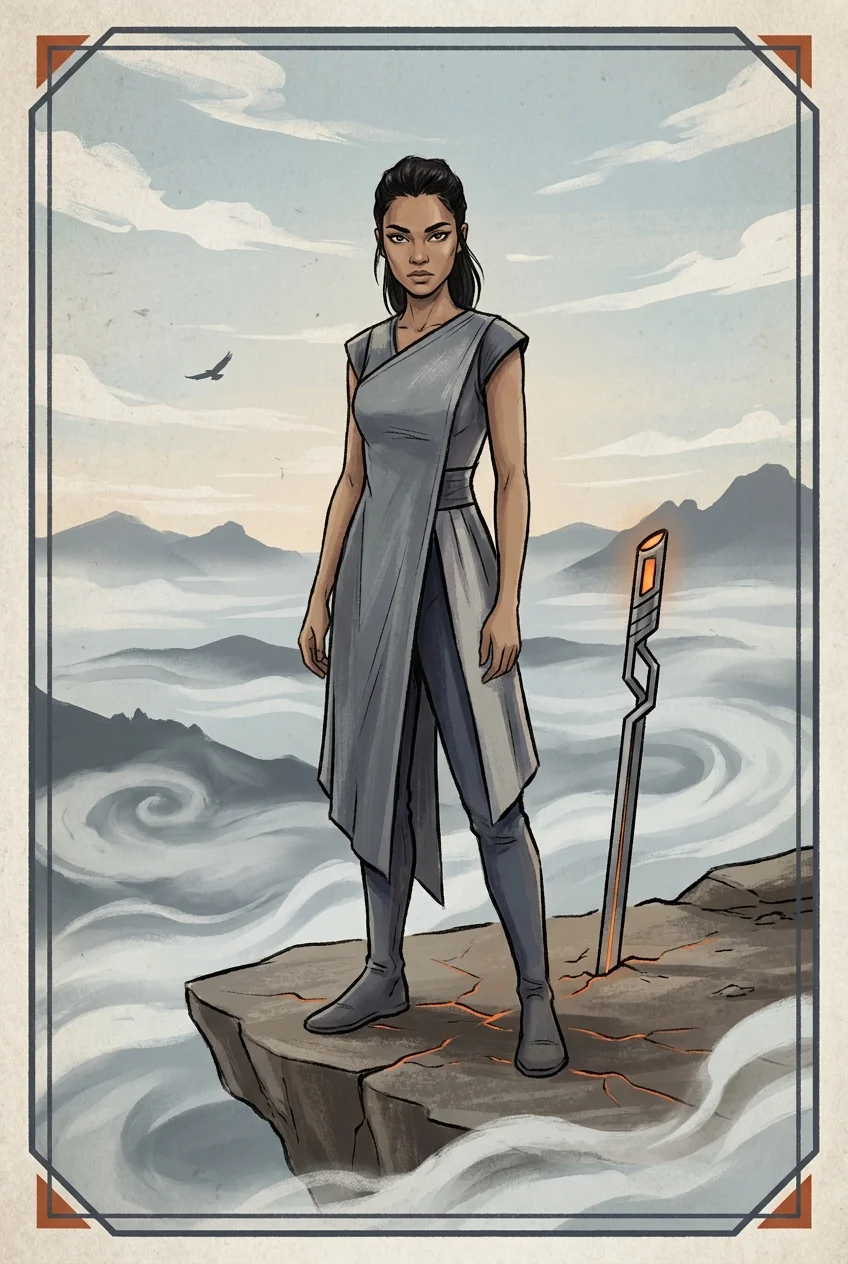
The Ronin
Solitary path, disciplined freedom, the wanderer with a code. Distills Jung's Explorer (autonomy, the boundary of the possible) into the cinematic register: the lone figure moving through shadow on disciplined feet.
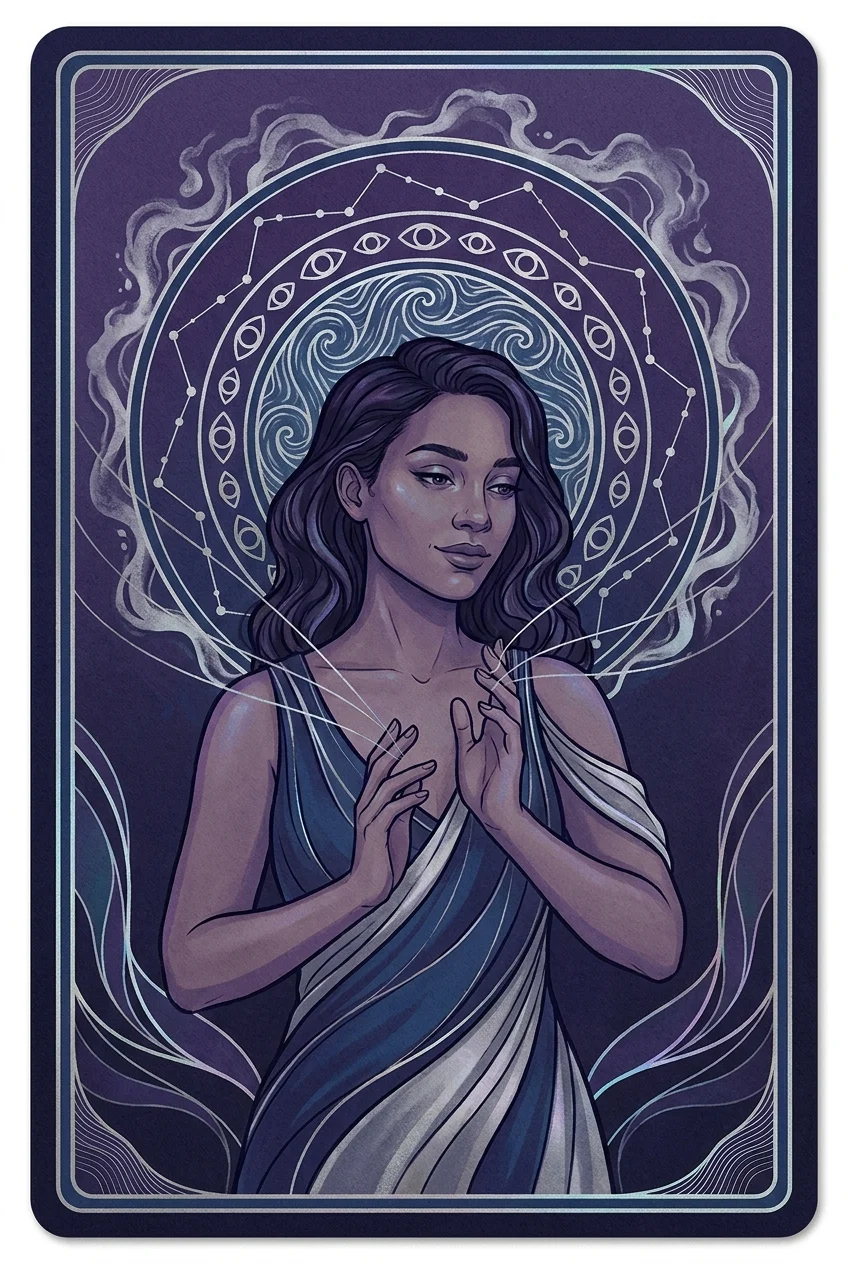
The Oracle
Insight, intuition, pattern recognition. Distills Jung's Sage (wisdom through understanding) into the felt-sense register — not just knowing, but seeing-through. Neon reflections, quiet rooms, eyes that notice everything.
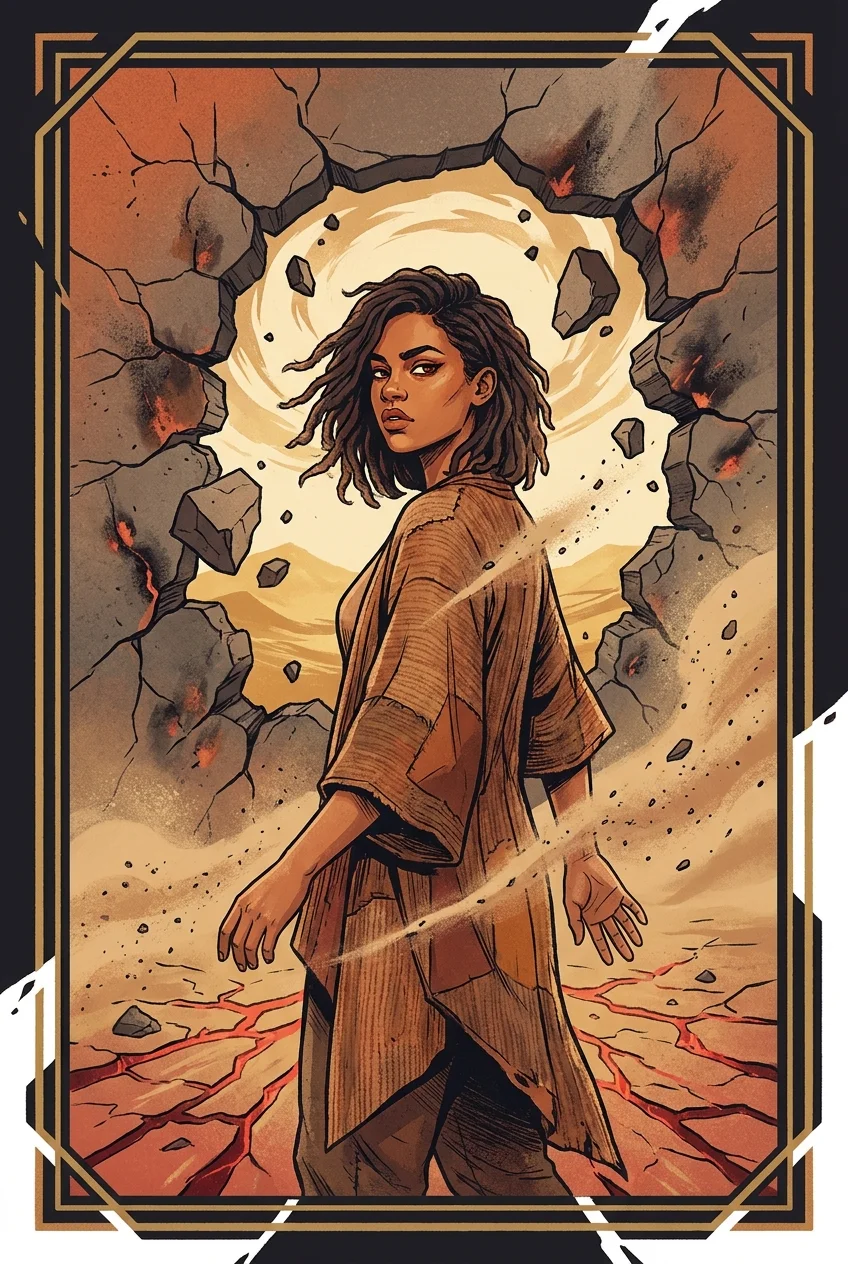
The Outlaw
Defiance, charisma, the refusal of false authority. Distills Jung's Outlaw (the revolutionary) and Jester (subversive joy) into the same magnetic frame: smoke, neon, tilted camera angles, the energy that rearranges rooms.
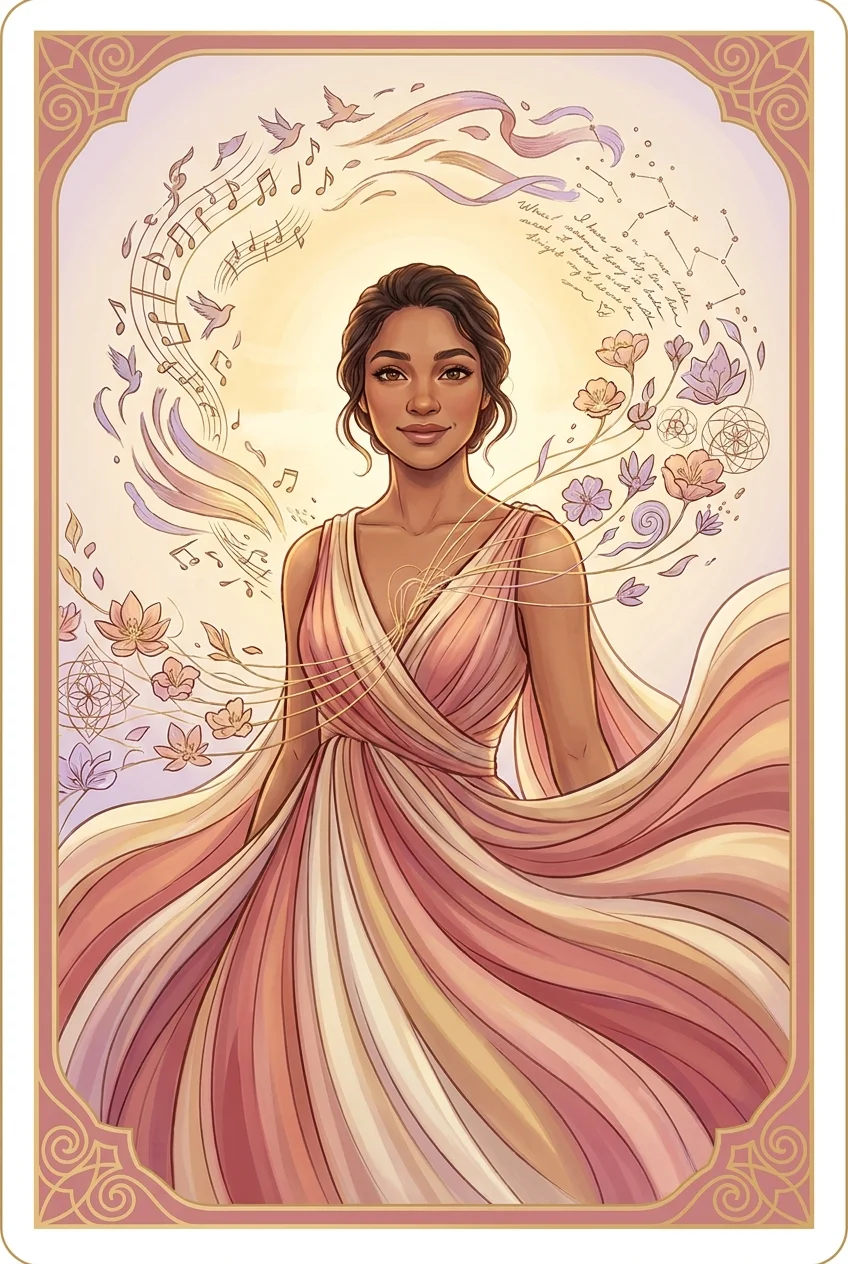
The Muse
Expression, magnetism, generative emotion. Distills Jung's Innocent (joy and trust), Magician (alchemical creation), Lover (deep connection), Everyman (relational dignity), and Creator (imagination) — all the archetypes whose work is making the unseen felt — into a single cinematic frame: soft light, fever-dream colors, expressive hands.
How to Find Your Primary Archetype
Method 1: Take the quiz. The fastest way. 30 questions sort you across all 5 Lore archetypes with a personalized AI reading at the end. Start the quiz →
Method 2: Identify your shadow self. The unintegrated form of your archetype is often more visible than the integrated one. If your fatal flaw is rigidity and control, that's a Sovereign signal. If it's isolation and perpetual self-sufficiency, Ronin. Paralysis from over-seeing everything, Oracle. Sabotage and impulse-over-intention, Outlaw. Identity that shifts to fit the room, Muse.
Method 3: What people accuse you of. Sovereigns get called cold. Ronins get called distant. Oracles get called intense. Outlaws get called too much. Muses get called dramatic. The accusation often names the archetype.
Method 4: What you protect. Sovereigns protect what they're building (the empire). Ronins protect their solitude (the internal kingdom). Oracles protect what they see (the truth). Outlaws protect the right to refuse. Muses protect beauty and tenderness.
The Shadow Side of Each Archetype
Every archetype has a light expression and a shadow expression — Jung was specific about this. The shadow isn't bad; it's the unintegrated form of the same energy. Working with an archetype consciously means recognizing when you're in shadow expression and what would move you toward integration.
- Sovereign shadow: The Tyrant. Control becomes domination. The vision becomes inflexibility. Builders become obsessives.
- Ronin shadow: The Ghost. Independence becomes isolation. The discipline calcifies into self-denial. The wanderer cannot land.
- Oracle shadow: The Puppet Master. Insight becomes manipulation. Pattern recognition becomes paranoia. The seer cannot un-see and is paralyzed.
- Outlaw shadow: The Anarchist. Defiance becomes nihilism. Freedom becomes destruction-for-its-own-sake. The rebel forgets what they were rebelling for.
- Muse shadow: The Shapeshifter. Expression becomes performance. The magnet becomes the mirror. The artist loses their own face in the work.
Find your archetype
Take the 30-question Lore archetype quiz. Full dossier at the end: stat radar, shadow self, fatal flaw, AI-personalized reading.
Take the Quiz →