Aura Colors: Meaning & Guide
Every person carries a field. Most people just haven't learned to read it.
What Is an Aura?
An aura is the energetic field that emanates from and surrounds every living thing — an invisible but perceptible layer of electromagnetic and subtle energy that reflects the state of your physical body, emotional patterns, mental activity, and spiritual development. The concept appears across nearly every ancient wisdom tradition: in Vedic texts as the prana body, in Chinese medicine as qi, in Western occultism as the etheric field, in Kirlian photography as measurable luminescence around living tissue.
You've felt auras without knowing the name for them. The person who makes you inexplicably uncomfortable before they've said a word. The room that relaxes you the moment you walk in. The friend who somehow always makes you feel seen. That's energy perception — the translation of subtle information your nervous system is already processing. Learning to read aura colors is simply learning the language for what you already sense.
How Aura Colors Work
An aura is not a single flat color. It's layered — a closest-to-body layer that reflects physical and emotional state, a middle layer tied to personality and habitual patterns, and an outer layer that connects to spiritual development and life direction. Most people have a dominant color that reflects their core nature (stable across years), plus one or two secondary colors that shift with life phase, emotional state, or what they're moving through right now.
Colors interact. A red-orange person is different from a pure red or pure orange. A blue-indigo combination reads differently than blue alone. The primary color tells you the engine; secondary colors tell you the current road.
Aura colors also shift. You may have been strongly green for years — open, giving, healing — and now be moving into violet as you step into a new kind of purpose. Black isn't a fixed identity; it's a passage. Gold isn't granted at birth; it's earned through integration.
The seven primary colors correspond loosely to the chakra system: red to the root, orange to the sacral, yellow to the solar plexus, green to the heart, blue to the throat, indigo to the third eye, violet to the crown. Three special-tier colors — gold, white, and black — operate beyond this system, reflecting either extraordinary development (gold, white) or deep liminal passage (black).
The 10 Aura Colors: Full Meaning Guide
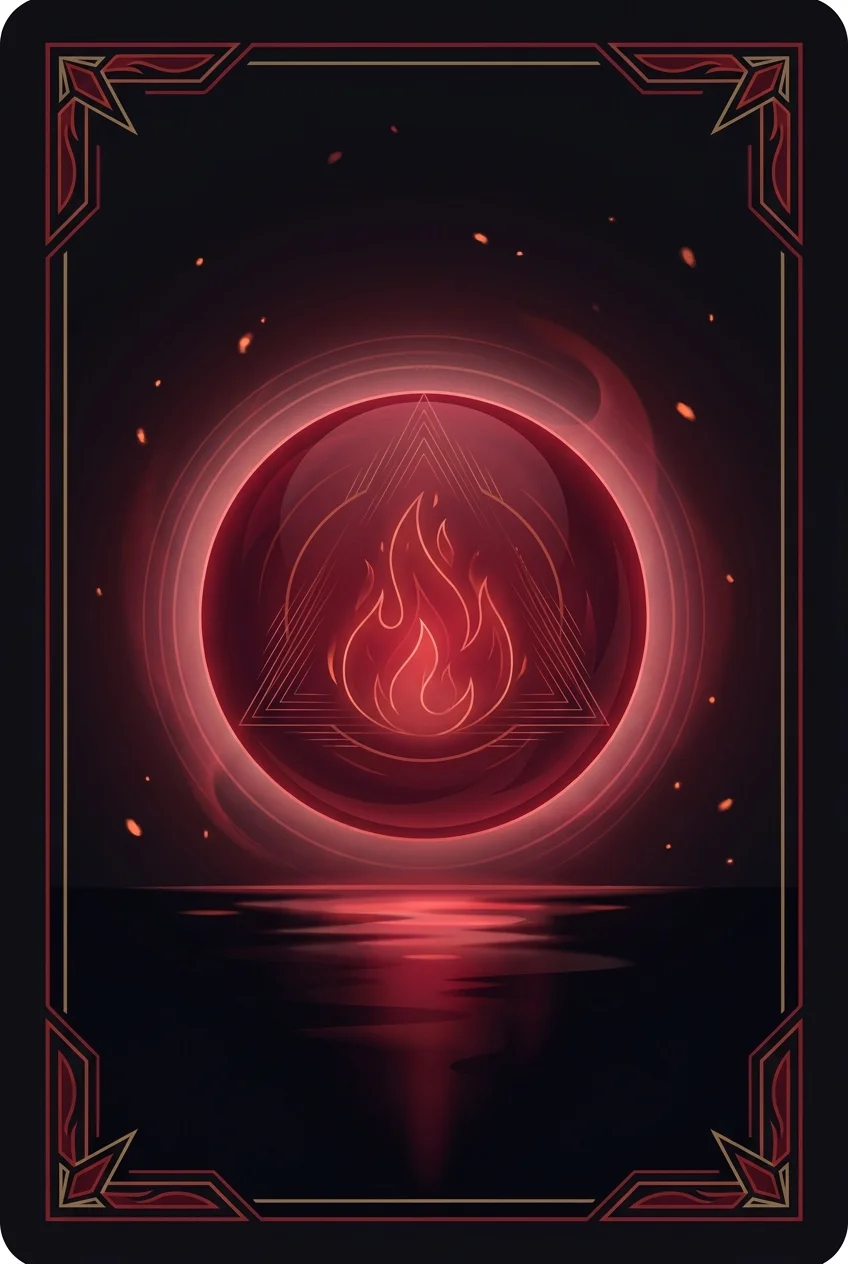
Red Aura
The color of life force at full voltage.
Red is associated with the root chakra — the energy of physical vitality, instinct, desire, and survival. Red aura people are deeply embodied; they experience the world through action, sensation, and presence rather than reflection. They convert thought into movement before anyone else finishes the sentence. There's an irreducible aliveness to them.
At its highest expression, red is the energy of the warrior, the builder, the protector — someone who shows up fully and demands that others do the same. It's passionate without apology, competitive without cruelty, physical without being shallow. Red auras tend to be experienced as magnetic precisely because they're operating at full power in a world full of people who've dimmed.
The shadow: red without container becomes volatility. The same force that drives achievement can drive conflict, control, and burnout. Imbalanced red tends to manifest as chronic stress, aggression, or an inability to stop — the engine running past the point the tank is empty. Grounding practices, physical outlets, and solitude are this color's medicine.
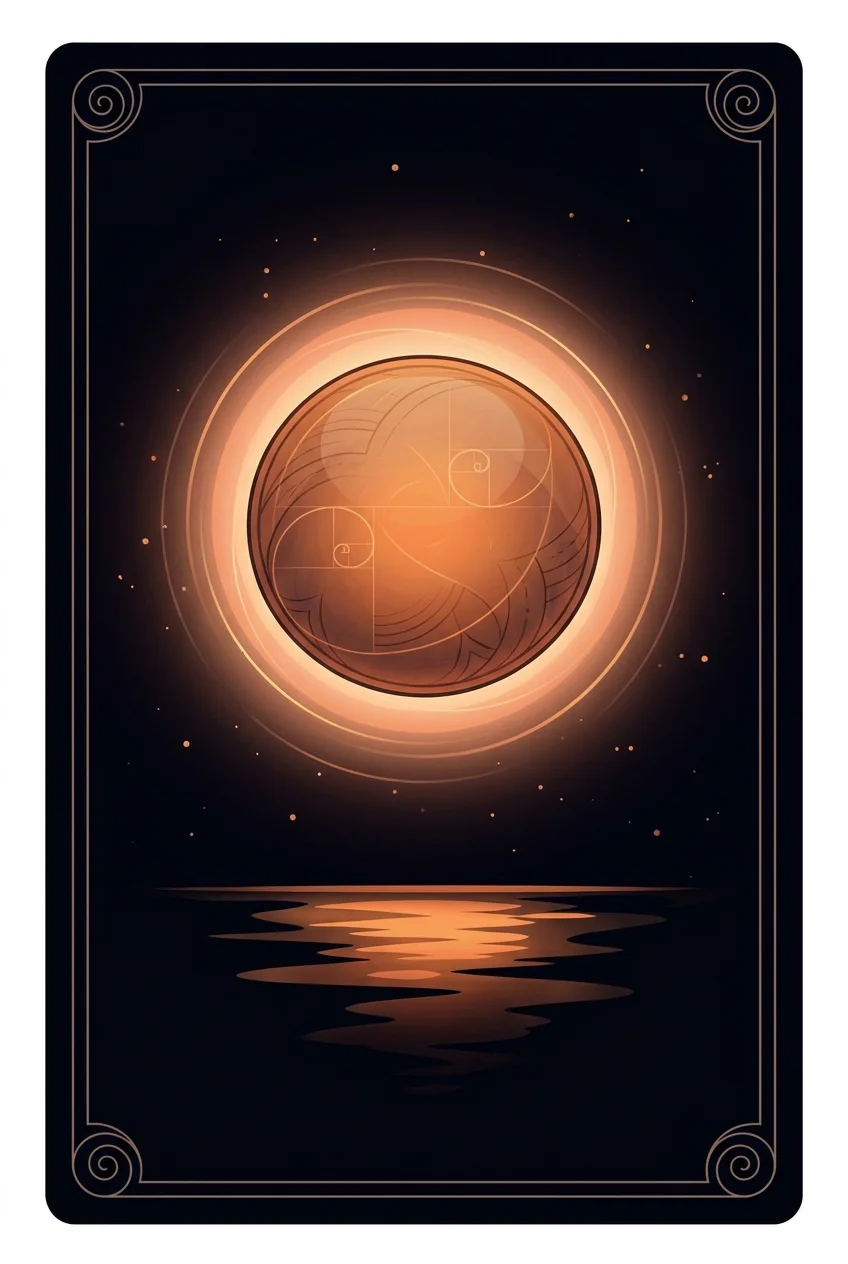
Orange Aura
The creative impulse meeting the physical world.
Orange is the sacral energy of sensation, connection, and generative force. Orange aura people are magnetic in an accessible way — alive with ideas and appetite, the natural center of creative gravity in any room. They learn by doing, relate through stories, and generate enthusiasm as a kind of renewable resource.
At its highest expression, orange is innovative warmth — the person who makes the unfamiliar feel safe, who turns the ordinary into something worth experiencing. They're the builders of culture, the people whose parties everyone talks about for years, the collaborators who elevate everyone they touch.
The shadow: orange without grounding scatters. The brilliant ideas never finish. The warmth becomes a performance. The appetite for novelty curdles into an inability to commit. Orange imbalance looks like creative momentum that never lands — lots of launches, few completions.
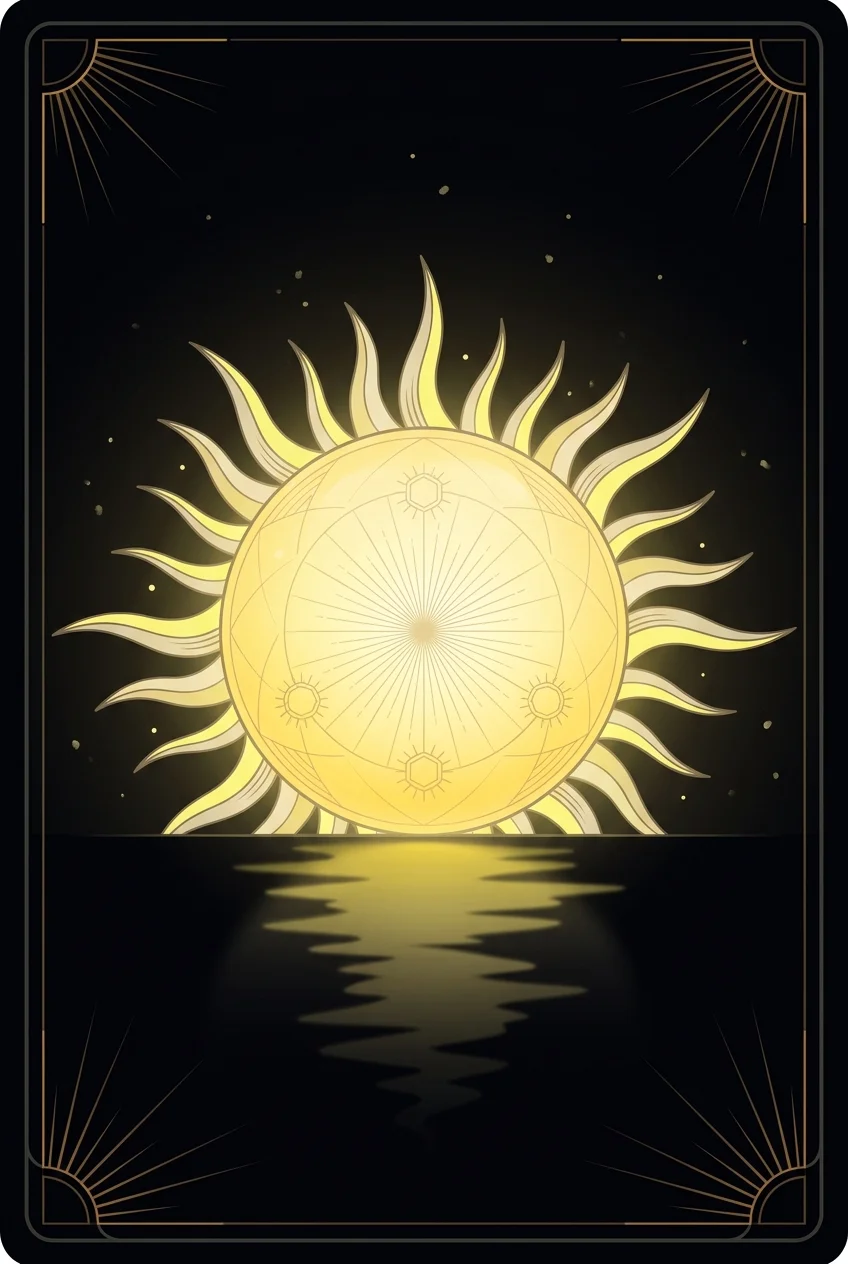
Yellow Aura
The color of consciousness examining itself.
Yellow is the solar plexus energy of identity, intellect, and personal power. Yellow aura people are perpetual students who approach the world as a system worth understanding. Their warmth isn't social performance; it's intellectual generosity. They want to know and want to share what they know.
At its highest expression, yellow is the empowering teacher, the brilliant communicator, the person whose clarity lights up rooms. They have a gift for taking complexity and making it accessible without making it small. Their optimism is chosen, not given — they've looked at the evidence and still decided to believe.
The shadow: yellow imbalance tips into analysis paralysis, perfectionism, and the anxiety of too many variables. The mental clarity that's a gift becomes a cage when it turns inward and starts looping. Yellow people can know everything about a problem and be unable to move.
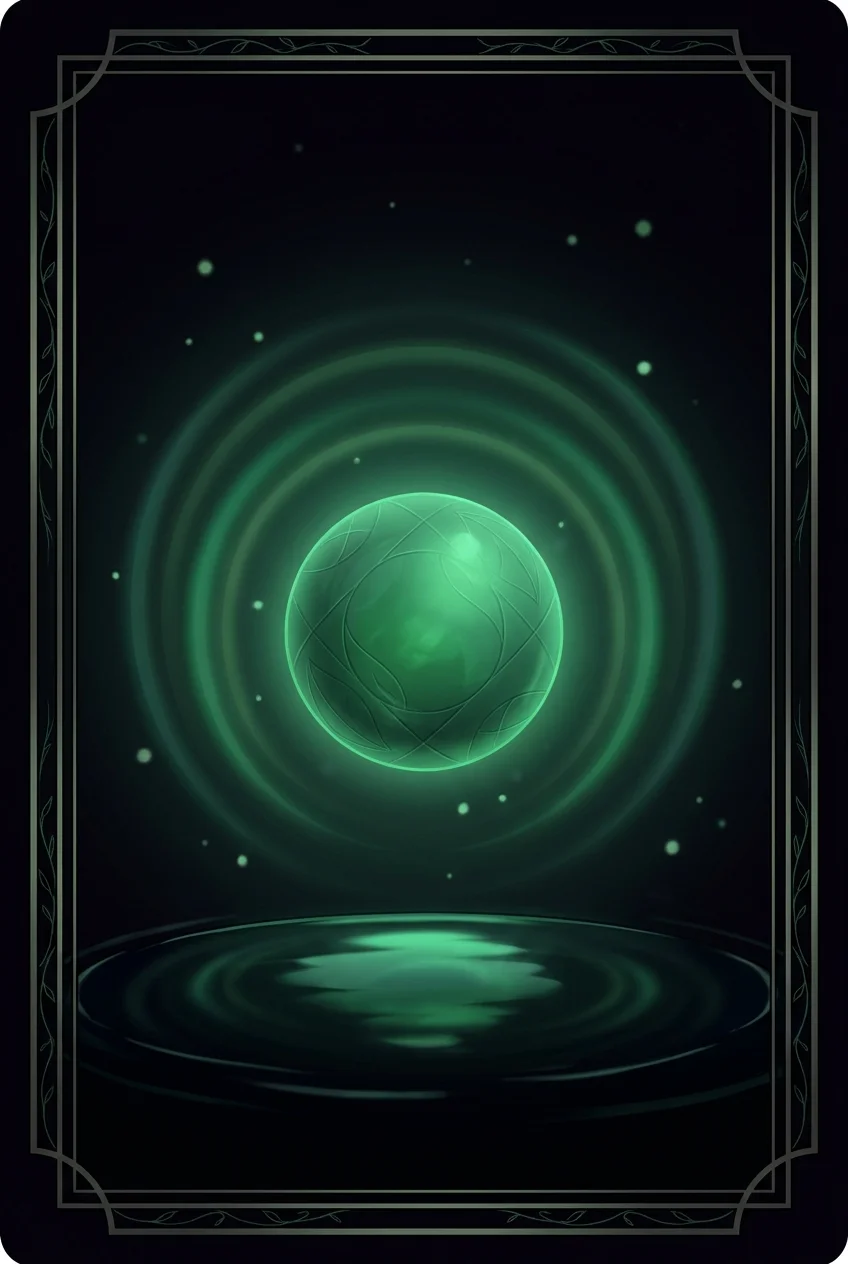
Green Aura
The color of the heart in full operation.
Green is the energy of compassion, healing, and organic growth. Green aura people feel things at a cellular level; their empathy isn't a skill, it's their native operating system. They're drawn to people who need holding, environments that need tending, systems that need repair. They love without needing to be right about it.
At its highest expression, green is the healer, the nurturer, the one who creates safety for others to become. They hold space without agenda, love without attachment to outcome, grow without forcing. They have a natural attunement to what living things need.
The shadow: green without boundaries becomes depletion. The giving becomes a leak. People-pleasing, codependency, resentment masked as martyrdom — these are the signs that green has lost the distinction between caring for others and erasing itself.
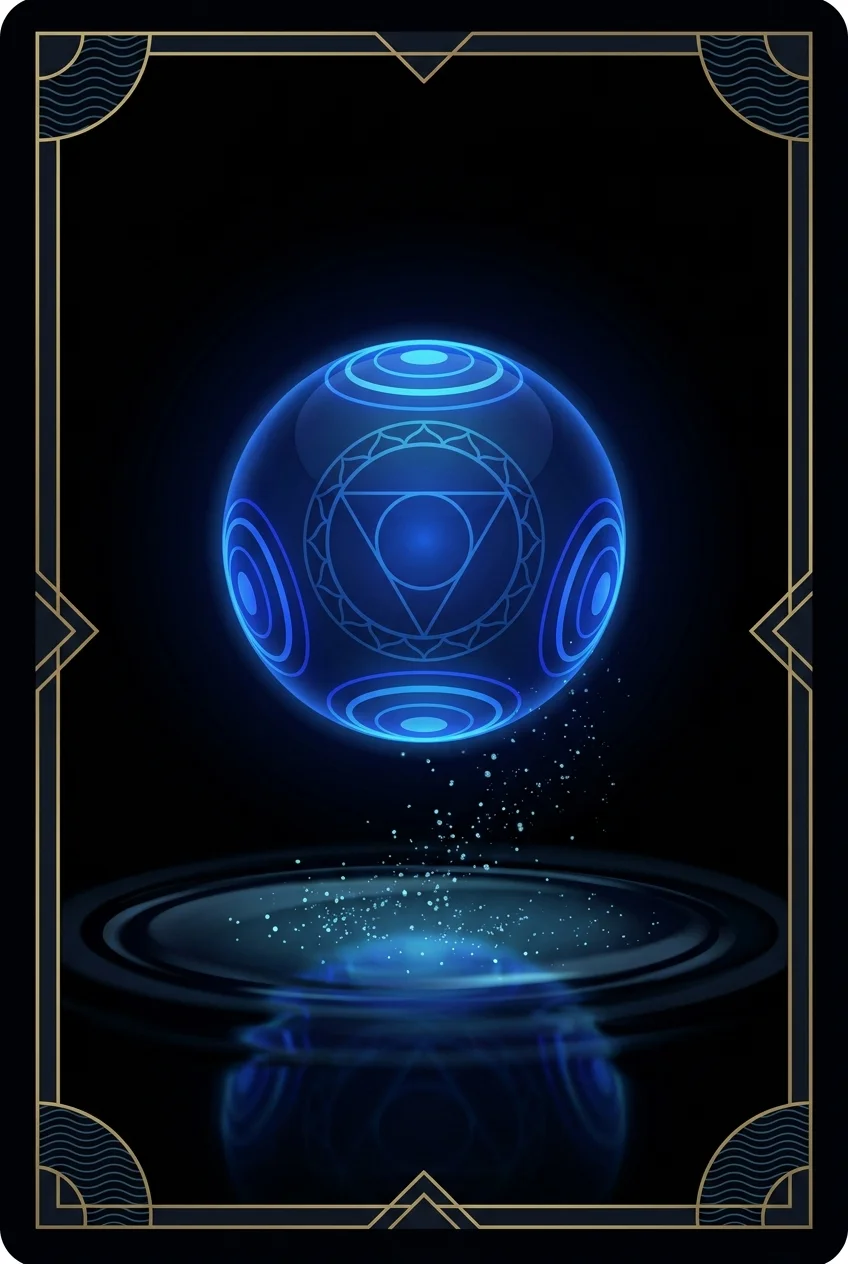
Blue Aura
Depth made articulate.
Blue is the throat chakra energy of communication, truth, and the vast interior world. Blue aura people carry more than they show, process more than they speak, and know things they can't always explain. They're not slow; they're thorough. And when they finally say the thing, it lands.
At its highest expression, blue is the truth-teller, the trusted confidant, the voice that cuts through noise because it only speaks when it means it. They have a rare capacity for presence — not performance, not productivity, but genuine being-with — that others feel in their bones.
The shadow: blue imbalance withdraws. The depth becomes inaccessibility. The calm becomes a wall. The preference for truth becomes an intolerance for the mess of human imperfection that makes genuine connection hard.
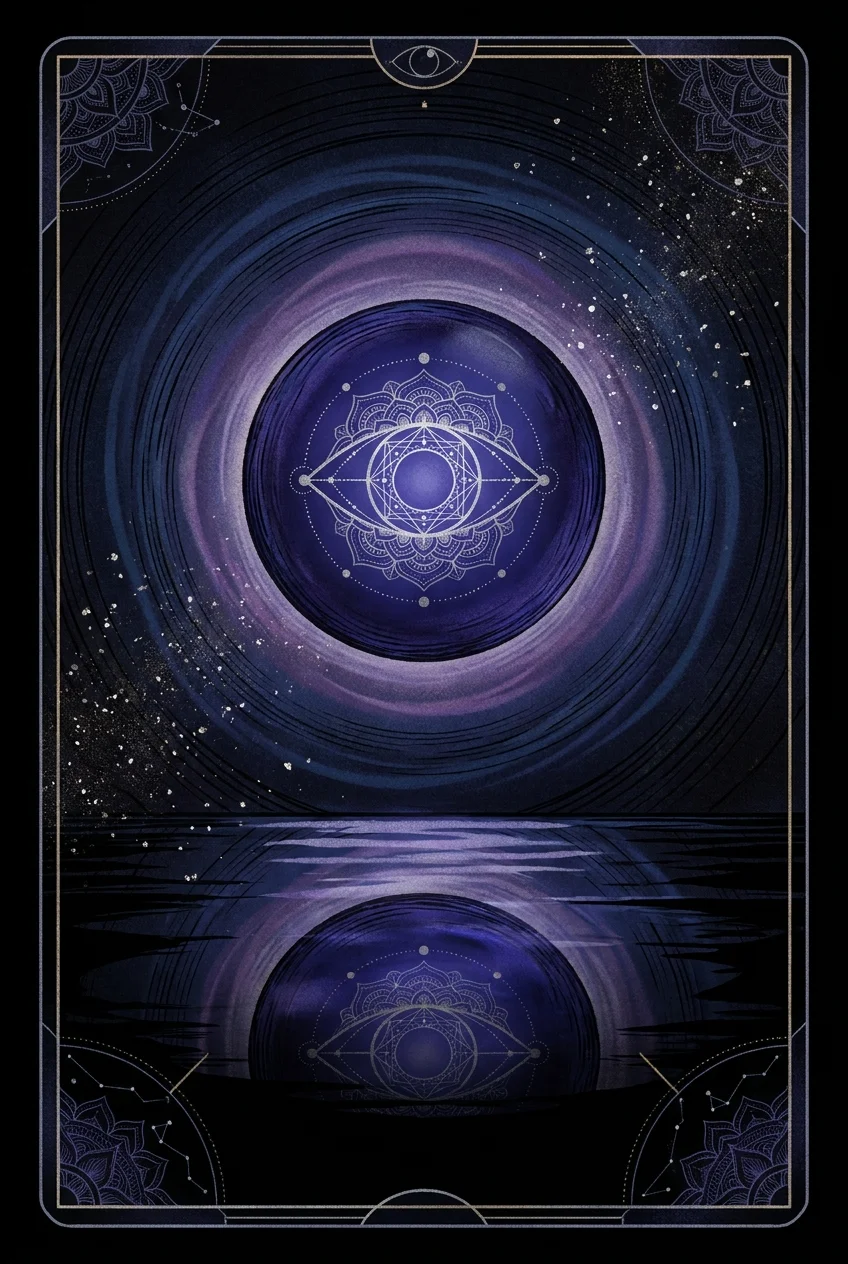
Indigo Aura
Perception beyond ordinary sense.
Indigo is the third-eye energy of intuition, inner knowing, and the ability to read what's beneath what's visible. Indigo aura people often feel like they arrived knowing things. They pick up on energy dynamics before a word is spoken, sense the undercurrents in a room, have dreams that carry information. They've always felt slightly out of sync with ordinary time.
At its highest expression, indigo is the seer, the intuitive, the one whose knowing arrives whole and correct without a traceable reasoning chain. Their sensitivity isn't weakness — it's precision. They're reading frequencies others can't perceive.
The shadow: indigo without grounding becomes overwhelm. The sensitivity that's a gift in the right environments is agony in chaotic ones. Isolation, escapism, and the exhaustion of absorbing too much are the signs of indigo imbalance.
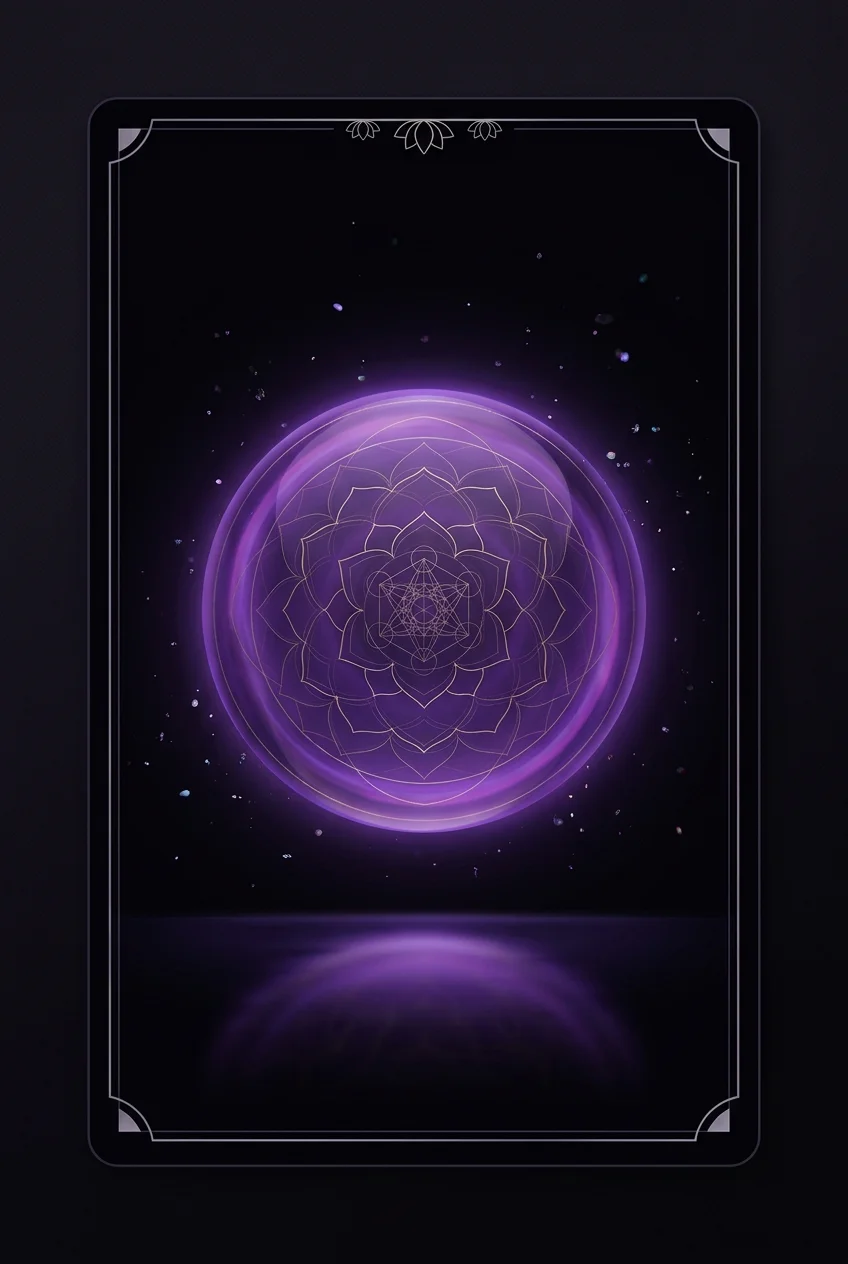
Violet Aura
Vision at the scale of time.
Violet is the crown chakra energy of transformation, spiritual intelligence, and the capacity to see where things are going before they get there. Violet aura people feel called, even when they're not sure to what. They're drawn to impact rather than recognition, legacy rather than applause. Their ambition is spiritual in nature.
At its highest expression, violet is the transformer — the person who moves through a community, an industry, a generation, and leaves it changed. They're charismatic not because they perform but because they embody something the moment needs. Leaders of movements, not just organizations.
The shadow: violet imbalance tips into grandiosity, disconnection from the material world, or the spiritual ego that mistakes a sense of mission for license to avoid ordinary human accountability.
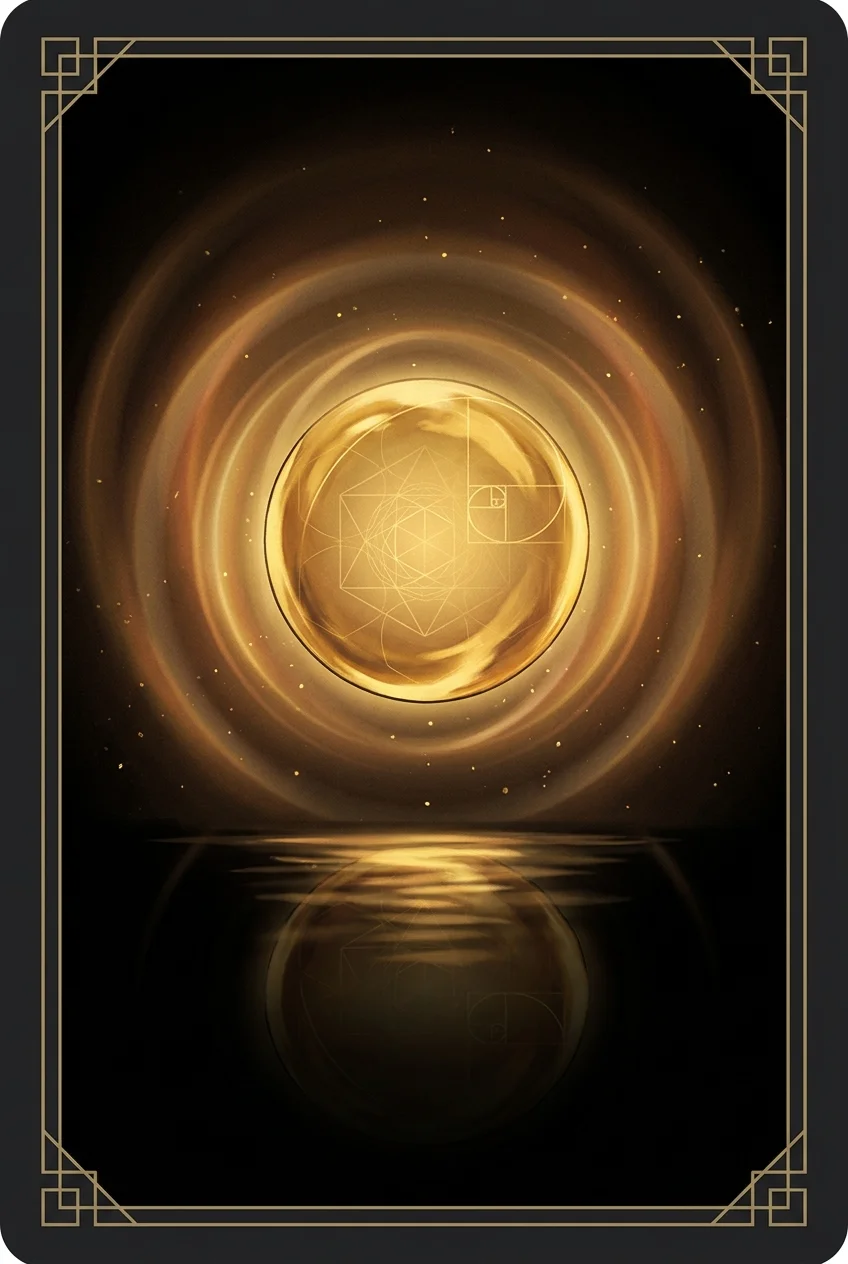
Gold Aura
Mastery earned through fire.
Gold is spiritual wisdom that has been tested, not merely studied. Gold aura people carry a settled authority that doesn't demand attention; it simply radiates. They've been through enough that ordinary anxieties have lost their grip. Their presence is stabilizing in a way that operates almost below conscious awareness.
This is not a starting-point color. Gold arrives after significant integration — after loss, transformation, the long dark night of the soul that broke something open rather than just breaking it. It's the energy of those who have come through and been refined by what they survived.
At its highest expression, gold is the wise elder at any age — the person others seek out not for advice but for presence. They hold space for enormous pain without being destabilized by it. They're rare because most people who go through the necessary fire don't integrate it; they merely survive it.
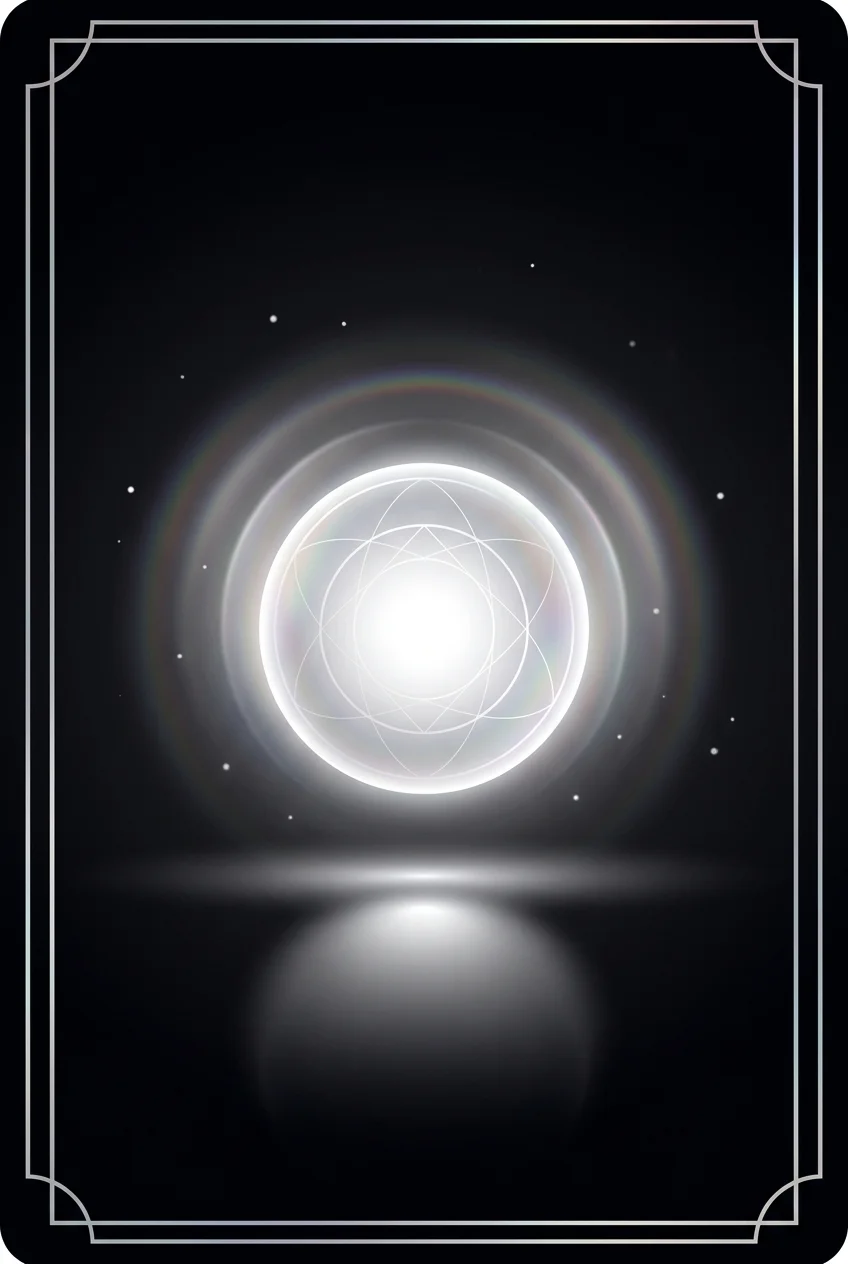
White Aura
All frequencies simultaneously.
White is the crown energy at its most refined — a state of spiritual development that encompasses rather than specializes. White aura people feel translucent, as though they're not entirely of this dimension. They carry a quality of completion, of having arrived somewhere, that others sense before understanding.
This is among the rarest aura colors precisely because it requires the dissolution of most of the personal agendas, fears, and attachments that define ordinary human consciousness. It appears most commonly in highly developed spiritual practitioners, at major life thresholds (births, deaths, profound completions), or briefly after transformative spiritual experiences.
At its highest expression, white is not absence but wholeness — all colors present, all frequencies available, nothing held back and nothing pushed forward. The healing that happens in the presence of a white aura is effortless because there's no interference. The shadow: disconnection from the body, from desire, from the beautiful mess of embodied life.
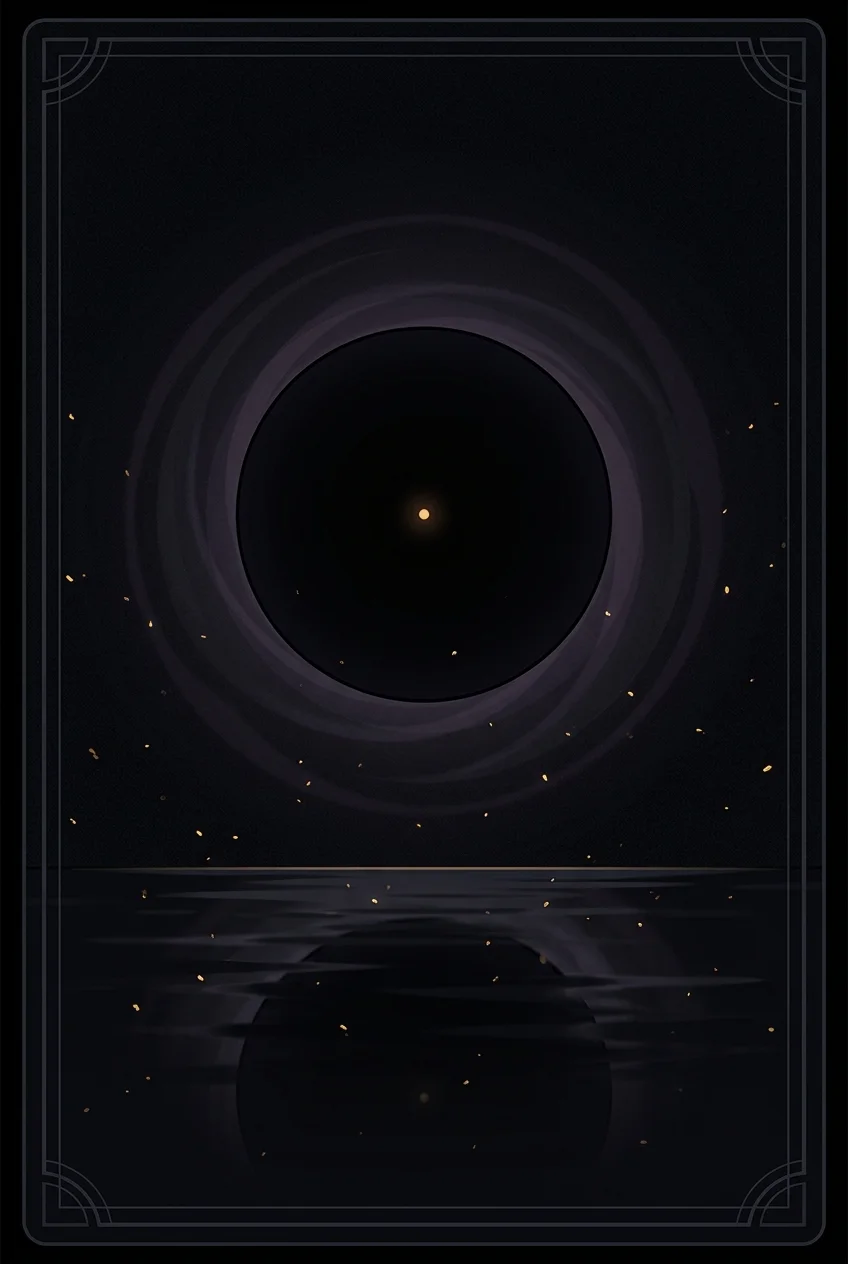
Black Aura
The chrysalis.
Black is the liminal, potent state of profound transformation that can look like dissolution from the outside while something entirely new is being assembled within. Black aura people are in passage. The old self has been released; the new self isn't yet named. The protective quality of the black field is not hostility — it's the cocoon necessary for the work being done inside.
This is among the rarest and most misunderstood aura states. It is not inherently negative or spiritually compromised. In many traditions, the willingness to enter genuine darkness — to face what cannot be faced in light — is the mark of rare spiritual courage. The people willing to go all the way in are capable of coming out with things others can't hold.
The shadow: black becomes problematic only when it stops moving — when the transformation becomes an identity rather than a passage, and the chrysalis becomes a comfort zone. Black is most dominant during major endings, grief periods, spiritual crises, and the in-between space of major life transitions.
How to Read Your Own Aura
Method 1: Soft-focus mirror work. In dim light, stand about a foot from a mirror with a plain white or neutral background behind you. Soften your gaze — not staring hard, but allowing peripheral vision to activate. Some people begin to see a thin luminous outline around their head and shoulders within 2-3 minutes. Don't force it; let the perception come to you.
Method 2: Hand observation. Extend one hand against a plain white background in natural (not fluorescent) light. Soften your gaze toward the edges of your fingers, not the hand itself. You may begin to perceive a faint glow or color emanating from the fingertips. This is often the most accessible entry point for beginners.
Method 3: Energy sensing. Hold your hands about 8 inches apart, palms facing each other. Slowly move them toward each other and away. Most people begin to feel a resistance or warmth — a tangible sensation of energy — before the hands actually touch. This is a basic experience of your own energy field.
Method 4: The pattern-recognition approach. For most people, the most reliable method is identifying the consistent tendencies, sensitivities, and life-phase patterns that correspond to specific color profiles. A well-designed aura quiz functions as a mirror: not by telling you something you don't know, but by reflecting back patterns you've been living. Take the 22-question quiz here →
What It Means When Colors Mix or Shift
No one is a single color forever. Most people move through 2-3 dominant colors over a lifetime, with secondary colors shifting more fluidly. Common transitions:
- Green to Violet: the healer becomes the transformer. Often happens when someone who has spent years taking care of others is called toward their own larger purpose.
- Orange to Gold: the creative spark matures into mastery. The person who lived by instinct and appetite integrates that energy into earned authority.
- Black to any color: the transitional state resolves. What comes next is often Violet, Indigo, or Gold — because the people willing to go through genuine transformation often come out on the high end of the spectrum.
- Indigo + Blue: depth plus expression. The knowing finds its language.
- Red + Gold: raw force refined into leadership. The warrior becomes the elder.
Mixed auras don't dilute — they deepen. A blue-indigo person isn't less of either; they're carrying the full bandwidth of both.
FAQs
Can my aura color change?+
Yes, and it does — particularly the secondary layers. Your core aura color tends to be stable across years, reflecting your deepest nature, but it can shift after significant life events, long-term spiritual practice, or major integration work. Think of it as a spectrum that can develop upward rather than simply oscillate.
Is a black aura bad?+
No. This is one of the most pervasive misconceptions in popular aura lore. Black indicates a liminal transformation state — it's the chrysalis, not the damage. People with black auras are often doing the deepest inner work of their lives. The color is temporary; what it protects is permanent.
What if I don't relate to one color strongly?+
Most people have a dominant color and one or two secondary influences. If no single color resonates strongly, you may be in a transitional phase between colors, or you may be a particularly fluid aura — someone whose secondary colors shift significantly with mood, environment, and life phase.
Do aura colors have anything to do with chakras?+
They're related but not identical. The seven primary aura colors correspond to the seven main chakras, but an aura color doesn't necessarily indicate a chakra blockage or activation — it reflects the dominant energetic expression of a person's full system. You can have a blue aura with a perfectly healthy throat chakra, or with significant throat chakra work in progress.
Can two people with the same aura color be very different?+
Absolutely. Aura color describes the frequency of a person's energy, not their full personality. Two red aura people might channel that energy into completely different lives — one into athletic achievement, another into passionate activism, another into sensory artistry. The color is the instrument; the person is the musician.
Want to know your color?
Take the 22-question Lore Aura Quiz. AI-personalized reading at the end. ~5 minutes.
Take the Quiz →