What's Your Archetype?
The deepest typing tool on the site. 30 questions sort you between Lore's 5 official archetypes — Sovereign, Ronin, Oracle, Outlaw, Muse — with a full dossier at the end: stats, shadow self, fatal flaw, and a personalized reading.
This is the same archetype framework Lore the app uses. Take the quiz here for free, then continue your archetype's daily reading practice in the app.
No signup. No email. No spam. Just the dossier.
What Is an Archetype?
The word archetype comes from the Greek arche (origin) + typos (pattern) — a first-pattern, a primordial template that shapes how consciousness organizes experience. Carl Jung made the term central to depth psychology, describing the universal patterns of the unconscious that appear across cultures, historical periods, and individuals despite no shared origin.
Jung's insight: archetypes aren't learned — they're inherited as part of being human. The specific stories change (Greek heroes, Norse gods, Marvel characters), but the underlying patterns are the same. Carol Pearson's 12-archetype framework distilled Jung's work for popular use; Lore's 5 are a further distillation for cinematic clarity.
Lore's 5 archetypes — Sovereign, Ronin, Oracle, Outlaw, Muse — cover the full psychological spectrum without the cognitive overload of 12 buckets. Each is rendered as a cinematic frame: the mastermind in a quiet room, the lone figure moving through shadow, the eyes that see everything, the fire that won't be contained, the light that moves others.
The 5 Lore Archetypes
Each one a cinematic frame. Each one a real psychological pattern with its own aesthetic, fatal flaw, and shadow self.
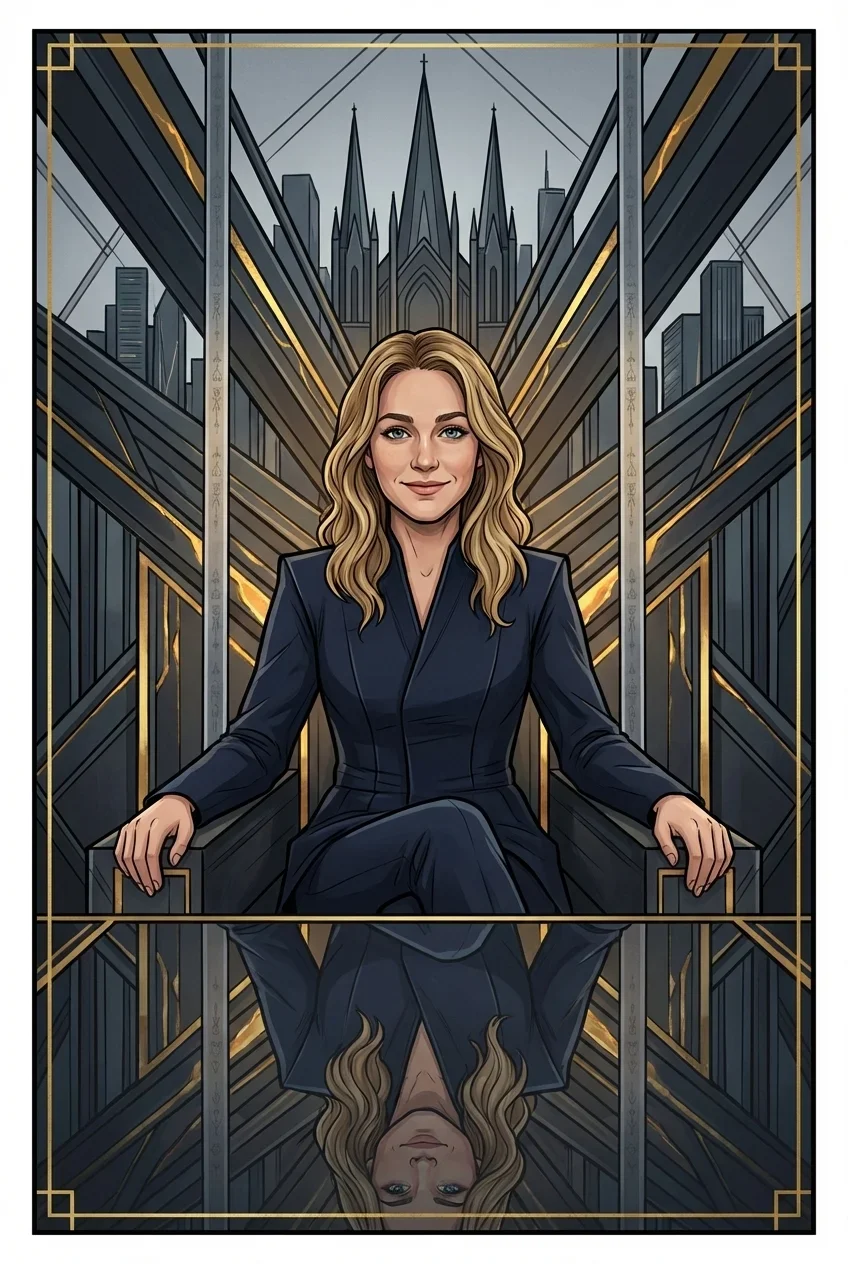
The Sovereign
"The mastermind in a quiet room."
Control, structure, vision, command. You don't ask for permission — you architect outcomes. Your aesthetic is blueprints, glass towers, and calculated silence.
Rigidity — obsession with outcomes.
You've built the perfect plan, but you forgot one variable: other people have free will. Your need for control isn't strength — it's fear dressed in a suit. Loosen the grip before you strangle what you're trying to protect.
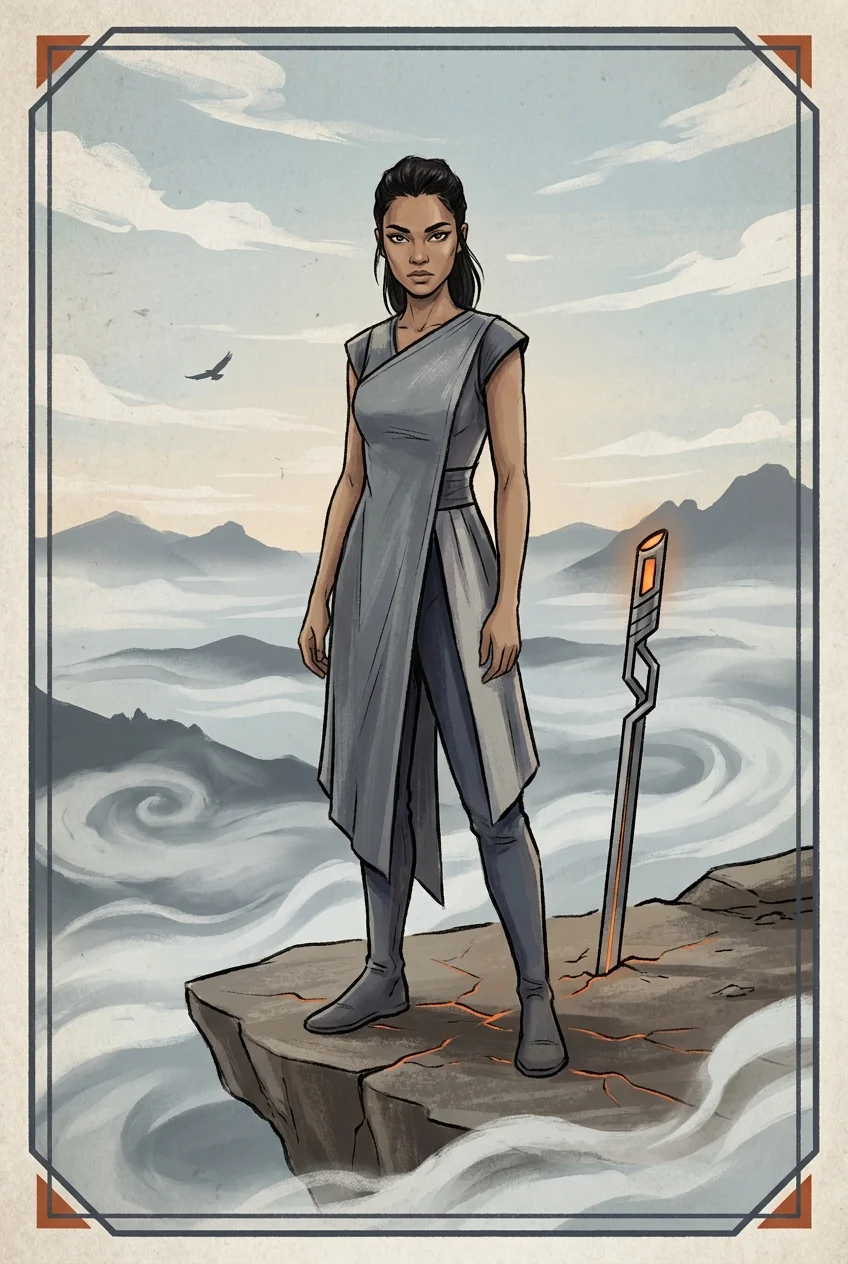
The Ronin
"The lone figure moving through shadow."
Self-contained, independent, disciplined. You move alone because you've learned that's how you move fastest. Your aesthetic is rain, steel, and silence.
Isolation — pushes people away.
You call it independence, but we both know it's a fortress. You push people away before they can leave — and then wonder why you're alone. The strength you've built is real. The walls around it are the problem.
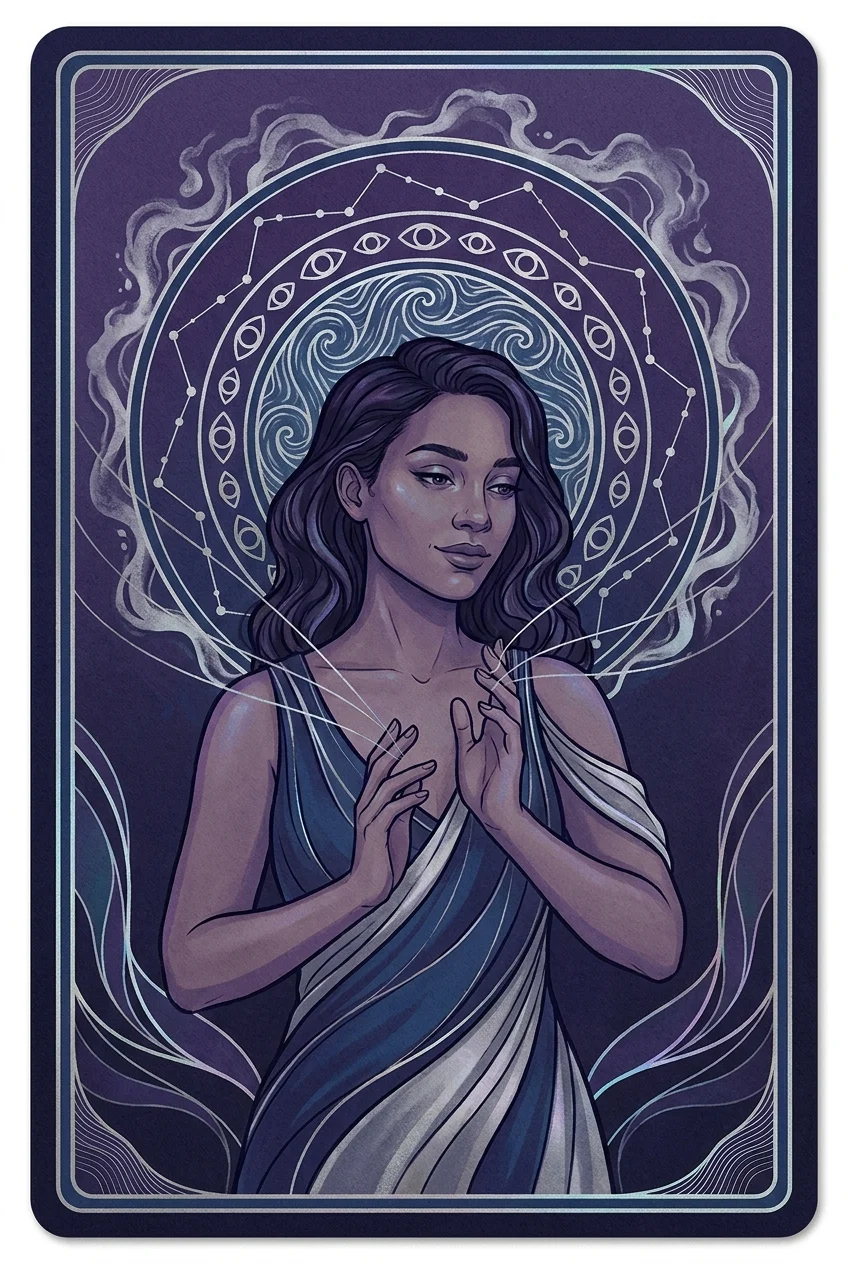
The Oracle
"The eyes that see everything."
Sensitive, analytical, pattern-seeker. You notice what others miss. Your gift is insight — your curse is that you can't unsee. Your aesthetic is neon reflections and quiet rooms.
Paralysis by insight — sees too much.
You see everything — except when to stop looking. Your gift is pattern recognition, but it's become a prison. You analyze the moment instead of living it. Not every signal is a sign. Sometimes a door is just a door.
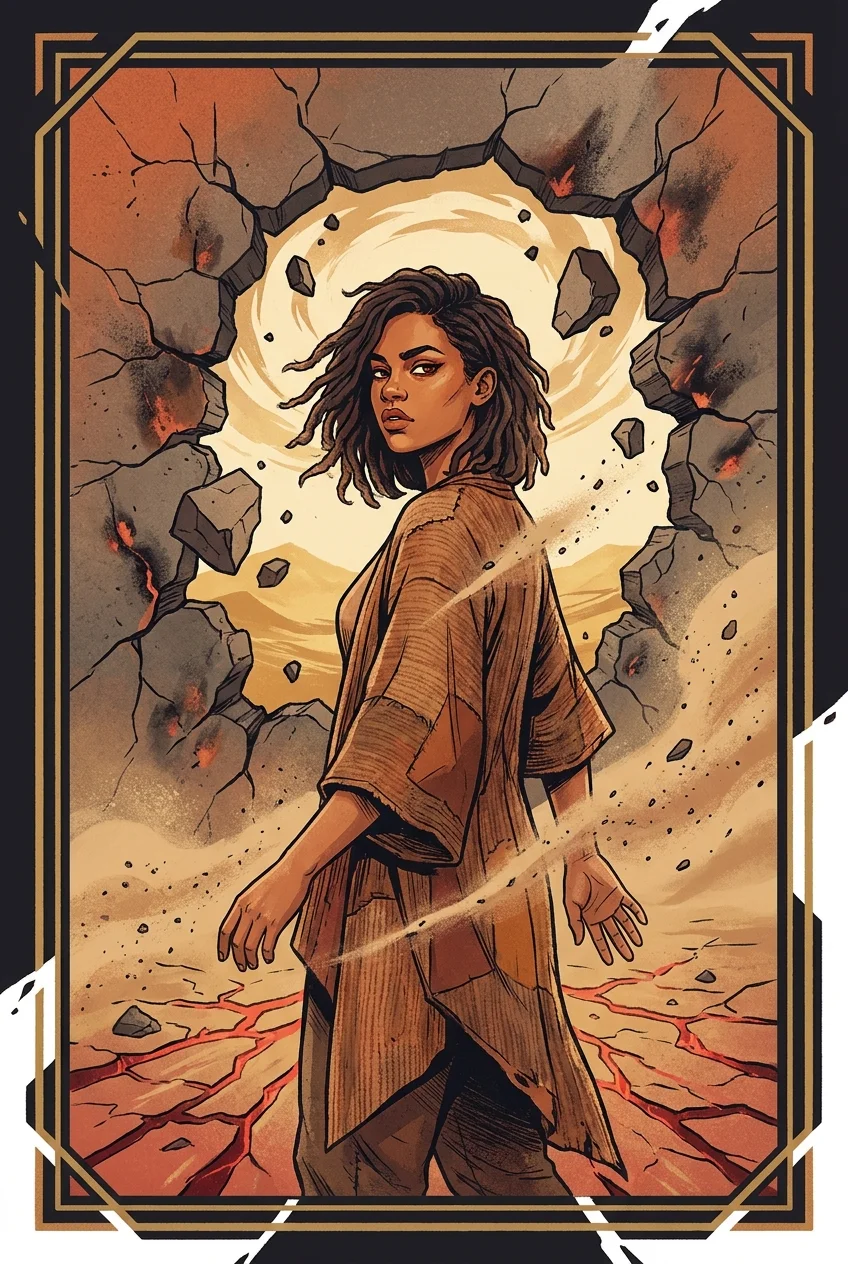
The Outlaw
"The fire that won't be contained."
Defiant, charismatic, chaotic-good. You push limits because limits are suggestions. Your aesthetic is smoke, neon, and tilted camera angles.
Sabotage — impulse overrides intention.
You break rules because you can, not because you should. Your rebellion isn't freedom — it's a reaction. You're still defined by the thing you're fighting. True outlaws don't burn it down. They build something better.
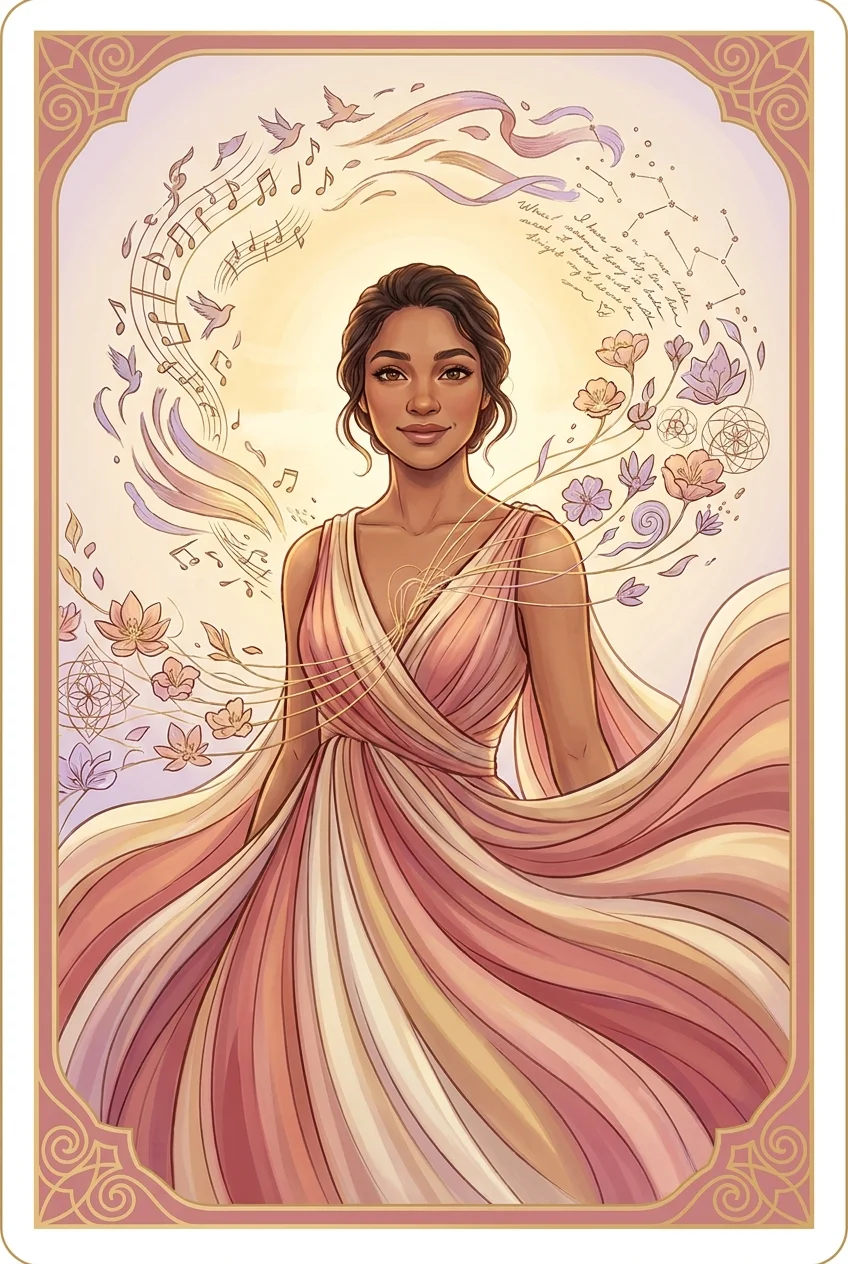
The Muse
"The light that moves others."
Creative, expressive, emotionally magnetic. You feel everything and transform it into something others can feel too. Your aesthetic is soft light, fever-dream colors, and expressive motion.
Self-loss — identity shifts too easily.
You're a mirror that forgot it had its own reflection. You feel everything so deeply that you lose yourself in other people's weather. Your gift is emotional translation — but who are you when no one's watching? Find that person.
The 5 Stat Dimensions
Every archetype has a distinctive shape across these 5 dimensions. Your quiz result includes a radar chart showing where you sit on each one.
How much you architect outcomes vs. let them unfold. Sovereigns max this. Outlaws minimize it.
Sustained mastery — the practice repeated when no one's watching. Ronins max this. Outlaws don't.
Pattern-seeing, gut signal, knowing-without-evidence. Oracles max this. Sovereigns deprioritize it for plan.
Feeling translated into form — language, art, presence, magnetism. Muses max this. Sovereigns hold it back.
The refusal of false authority, the willingness to break what isn't working. Outlaws max this. Sovereigns minimize it.
How the Quiz Works
Each question has 5 options — one per archetype. Your selection adds one point to that archetype's total. Across 30 questions you build a distribution that captures your real psychological pattern, not a Buzzfeed-grade approximation.
The archetype with the highest total wins as primary. The runner-up is shown as your shadow — the texture running underneath. You'll also see your radar across all 5 stat dimensions.
Your dossier includes core drive, risk level, fatal flaw, shadow self, and the signature Roast — Lore's brutally accurate read of your blind spot. Plus a 200-word AI-generated reading written for your specific answers.
How Lore's 5 Map to Jung's 12
Lore's 5 archetypes distill Jung's 12 by grouping archetypes that share fundamental orientation:
- Sovereign = Hero (mastery through difficulty) + Ruler (architecture of order) + Caregiver (protection of the realm). All three share command, structure, and the long view.
- Ronin = Explorer (autonomy, the boundary of possible). The wandering practitioner of self-mastery.
- Oracle = Sage (wisdom through understanding). Elevated from clinical to oracular — knowing through felt-sense, not just intellect.
- Outlaw = Outlaw (revolutionary) + Jester (subversive joy). Both refuse false authority through different doors.
- Muse = Innocent + Magician + Lover + Everyman + Creator. All five archetypes whose work is making the unseen felt — joy, alchemy, deep connection, relational dignity, imagination — collapse into a single cinematic frame.
Archetype Vocabulary
The terminology underneath the archetypes. Knowing this language lets you read your own dossier with real depth.
A primordial psychological pattern that shapes how an individual organizes experience. Universal across cultures, specific in expression. Jung's central insight in depth psychology.
The unintegrated form of an archetype — what happens when the same energy operates without consciousness or container. Sovereign shadow becomes Tyrant; Muse shadow becomes Shapeshifter.
The wound the archetype carries when imbalanced. Sovereign's rigidity, Ronin's isolation, Oracle's paralysis, Outlaw's sabotage, Muse's self-loss. Knowing the flaw is the start of integration.
The underlying motivation pulling the archetype forward. Sovereign drives toward Control; Ronin toward Independence; Oracle toward Understanding; Outlaw toward Freedom; Muse toward Expression.
Lore's term for how each archetype expresses aesthetically and atmospherically. Sovereign reads as 'mastermind in a quiet room'; Ronin as 'lone figure on rain-slick streets'; etc.
Visual map of the archetype's distribution across 5 dimensions: Control, Discipline, Intuition, Expression, Defiance. Each archetype has a distinctive shape.
How dangerous each archetype is when its shadow takes over. Sovereign is Critical, Ronin is High, Outlaw is High, Oracle is Moderate, Muse is Moderate.
Jung's term for the psychological process of integrating opposing archetypal forces within the self. Working with your archetype consciously is the first step.
Tips for an Accurate Read
The quiz scores honestly. A few things to know.
If the answer that lands as 'duh, this is me' shows up first, pick it. The quiz reads who you are when no one's watching — not who you wish you were on Instagram. The result lands harder when the answers are honest.
The questions that feel uncomfortable are usually the most diagnostic. The shadow answers — the ones that feel embarrassing, shameful, or 'too much' — often name the archetype most accurately.
If your secondary archetype catches you off-guard, sit with it. The shadow archetype is often the one running underneath your conscious self — the energy you reach for in private, the pattern that emerges with people you trust.
Archetypes shift through life stages. The Sovereign who became a Ronin after burnout, the Outlaw who matured into a Sovereign after building something — these arcs are common. The quiz is a snapshot, not a sentence.
Frequently Asked Questions
What is an archetype?+
An archetype is a deep psychological pattern — a primordial template that shapes how consciousness organizes experience. The term comes from Carl Jung, who used it to describe the universal patterns of the unconscious that appear across cultures and historical periods. Lore's 5 archetypes (Sovereign, Ronin, Oracle, Outlaw, Muse) are distilled from Jung's framework but tuned for modern psychological identity — not abstract templates but cinematic frames you can recognize yourself in.
How is this different from a Jungian archetype quiz?+
Jung's 12 archetypes are foundational, but they were designed for clinical analysis — abstract, generalized, hard to carry as identity. Lore's 5 archetypes are the same psychological territory rendered cinematically — the mastermind in a quiet room, the lone figure moving through shadow, the eyes that see everything, the fire that won't be contained, the light that moves others. The result feels like recognition, not diagnosis.
Why 5 archetypes and not 12?+
Because 12 is too many to actually carry as identity. Jung himself acknowledged that any individual usually embodies one or two archetypes dominantly. Lore's 5 cover the full spectrum: Sovereign (control/structure), Ronin (independence/discipline), Oracle (insight/perception), Outlaw (defiance/freedom), Muse (expression/feeling). Most people score primarily in one and secondarily in another — that's the whole psychological landscape.
Why does the AI reading feel personalized?+
After scoring, your specific quiz answers are passed to a generative AI that writes a 200-word reading referencing what you actually said. It's not from a database. It's written for you, in this moment, in Lore's atmospheric voice.
What's the 'shadow archetype' in the result?+
Most people score highly on a primary archetype AND a secondary one — that's the shadow. The shadow is the texture or counterweight to your primary. A Sovereign with a shadow Outlaw is a different person than a Sovereign with a shadow Muse. The shadow tells you the edge — what's running underneath your visible expression.
Can my archetype change over time?+
Most people carry a primary archetype that's stable across years, with secondary archetypes that shift more fluidly with life stage, work, and inner integration. Major transitions (loss, vocation pivots, deep healing work) can shift dominant archetypes. The Sovereign who became a Ronin after burnout isn't unusual. Take the quiz again in a year and compare.
Is this connected to the Lore app?+
Directly. Lore the app is built around this exact 5-archetype framework. Take the quiz here for free; if you want daily readings tailored to your archetype, AI Sage chat that knows your shadow self, and cinematic portraits generated from your selfie, that's what Lore is.
See yourself fully in Lore
Lore is built around this exact 5-archetype framework. Daily cinematic readings, AI Sage chat, stunning portraits from your selfie. Your archetype is the foundation.